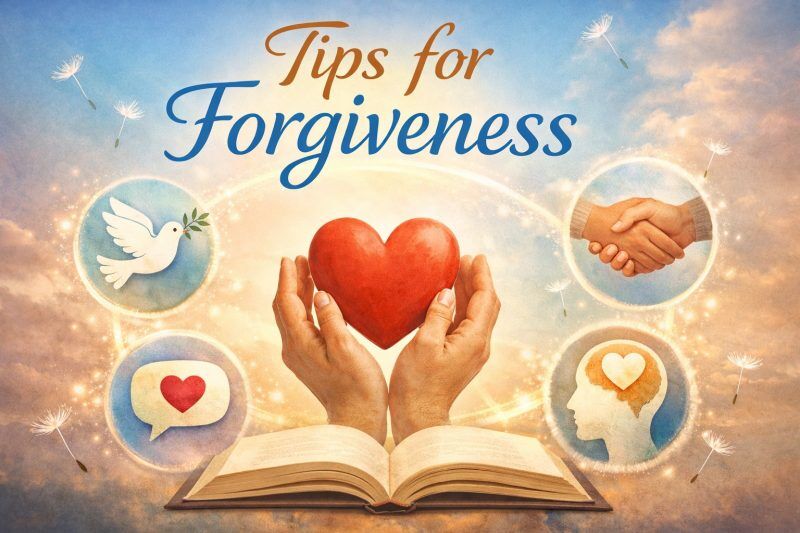
Forgiveness can feel like one of the hardest things we’re ever asked to do, especially when emotional pain runs deep and the wound feels deeply personal. Many people carry regret, grief, resentment, and unresolved hurt for years, replaying painful memories like a broken record. Over time, this emotional weight quietly drains joy, and without realising it, can hold you back spiritually, affecting your energy, clarity, and inner peace.
When forgiveness is delayed or avoided, we remain energetically tethered to the past, making spiritual healing and emotional growth more difficult. Letting go doesn’t mean excusing what happened — it means releasing what no longer serves your wellbeing. These tips for forgiveness are designed to help you gently process emotional pain, restore balance, and move forward with greater freedom, self-trust, and spiritual alignment.
Forgiveness Sets You Free
Forgiveness isn’t about excusing what happened or pretending the hurt didn’t matter. It’s about freeing yourself from the emotional weight you’ve been carrying. A powerful question to reflect on is this: who is still holding the burden — you, or the person who caused the pain?
When we begin exploring gentle, compassionate tips for forgiveness, we start to see that releasing resentment is not weakness. It is an act of self-care, emotional strength, and spiritual maturity. Holding on may feel protective, but over time it keeps your energy tied to an experience that has already passed — quietly limiting your peace and spiritual growth.
If you’re ready to soften old wounds, loosen the grip of lingering pain, and reclaim your emotional and spiritual freedom, allow these insights to guide you forward.
Forgiveness Isn’t Letting Someone Off the Hook
One of the most misunderstood aspects of forgiveness is the belief that it means excusing harmful behaviour, pretending it was acceptable, or allowing someone back into your life without boundaries. It doesn’t.
True forgiveness is an inward process. It is an act of kindness toward yourself. One of the most important tips for forgiveness to remember is this: it’s not about what they deserve — it’s about what you need in order to heal.
There’s a well-known truth that captures this beautifully: forgiveness is letting go of the hope for a better past. We cannot rewrite what happened, but we can choose to stop reliving it. Forgiveness allows you to reclaim your energy, release the emotional charge held in old memories, and consciously choose peace over pain.
When you forgive, you don’t erase the past, you simply refuse to let it dictate your future. And in that choice, something within you begins to soften. Healing becomes possible. Forward movement begins.
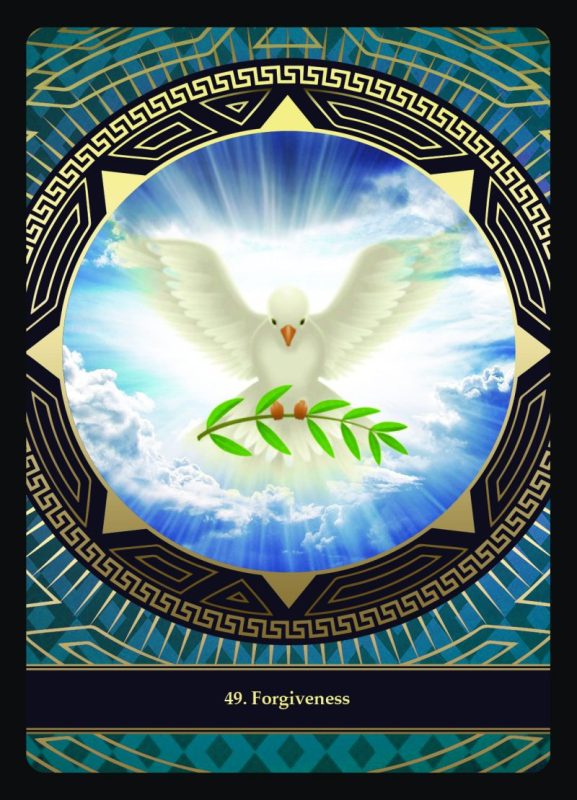
As a gentle reminder, Card 49 from the 6th Sense Connection Oracle Cards reflects this truth perfectly: forgiveness is freedom.
Forgiveness Doesn’t Mean What They Did Was Okay
One of the most common misunderstandings about forgiveness is the belief that it requires approval or acceptance of what happened. It doesn’t. People often act in hurtful ways for reasons we may never fully understand, fear, emotional immaturity, insecurity, or unhealed wounds can all shape behaviour that leaves lasting emotional scars.
One of the gentlest tips for forgiveness is recognising that understanding why something happened does not mean agreeing with it. It simply helps loosen the emotional grip the experience may still hold over you. Forgiveness is not about rewriting the past, it’s about freeing your present from its influence.
The deepest pain often comes from those we trust most: family members, close friends, or partners who let us down when we needed them. That hurt can feel even sharper when apologies sound hollow or defensive, offered to explain behaviour rather than truly acknowledge the impact it had on you.
In moments like these, forgiveness rarely arrives through words or apologies. Instead, it becomes an inner process — one that asks not whether they deserve forgiveness, but how you can release yourself from carrying the weight of what was done.
Excuses Aren’t a Sincere Apology
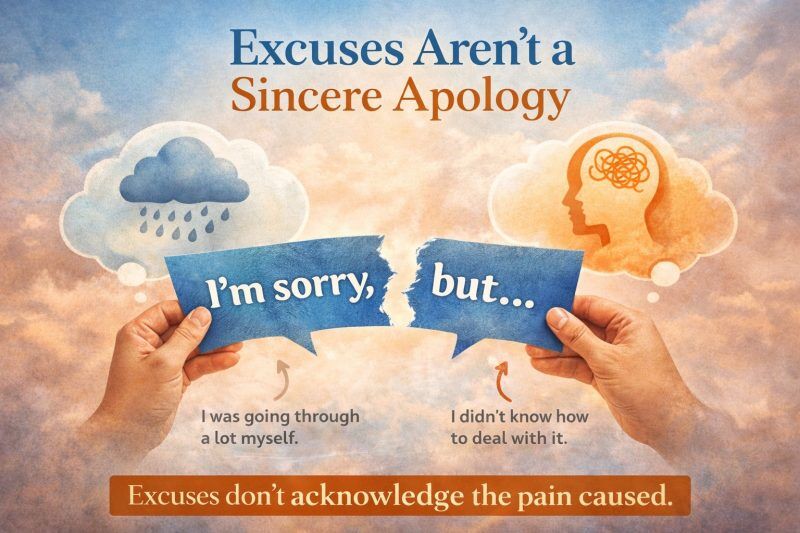
The graphic contrasts an apology with excuses. A torn speech bubble says “I’m sorry, but…” and gives two examples: “I was going through a lot myself” and “I didn’t know how to deal with it.” Its conclusion is that excuses do not acknowledge the pain caused.
You may hear phrases like, “I didn’t know how to deal with it,” or “I was going through a lot myself.” While these explanations may be true from their perspective, they can still sting deeply. Rather than feeling seen or supported, you may be left with the sense that your pain was overlooked, something you were expected to carry alone.
One of the most important tips for forgiveness is acknowledging how isolating this experience can feel. When pain goes unacknowledged, it often hardens into resentment, quietly shaping how safe we feel to trust others again.
Forgiveness in these moments is not about giving someone a free pass. It is not saying, “What you did was okay,” because it wasn’t. Instead, forgiveness is about reclaiming your own narrative — choosing to loosen the grip that hurt has on your heart and deciding that your future deserves more space than your past.
In doing so, you shift from carrying the emotional weight of what happened to standing in your own strength, clarity, and emotional freedom.
Acknowledging Their Actions Without Excusing Them
True healing begins with honest acknowledgement. Pretending something didn’t hurt, minimising your feelings, or brushing the experience aside only delays emotional and spiritual recovery. One of the most grounding tips for forgiveness is allowing yourself to see the situation clearly, without softening it or explaining it away.
They were not there when you needed them. Their reasons, however understandable, do not undo the impact of their absence.
Acknowledgement restores personal power. It validates your experience and rebuilds self-respect, which can quietly erode when pain goes unrecognised. You might gently remind yourself:
They may not have known how to handle the situation, but that doesn’t make my hurt any less real.
I needed support, and it wasn’t there. I am allowed to feel disappointed.
By acknowledging what happened, you are not condemning them, and you are not excusing them either. You are honouring your truth. And that, in itself, is a powerful act of healing and spiritual self-respect.
When Forgiveness Feels Complicated
If forgiveness feels complicated, tender, or unfinished, you don’t have to navigate it alone.
A private reading offers a safe, compassionate space to explore what your heart is still holding, what healing is ready to unfold, and how to move forward with clarity and self-kindness.
Sometimes it’s not about forgiving faster, it’s about understanding yourself more deeply.
If you feel drawn, you’re welcome to book a private reading and receive guidance that meets you exactly where you are.
Setting Healthy Boundaries for Future Interactions

Once you have acknowledged the truth of what happened, the next step is setting healthy boundaries. Boundaries are not about punishment or retaliation; they are about self-protection. One of the most practical tips for forgiveness is understanding that forgiveness works best when you feel emotionally safe.
Boundaries are the guidelines you put in place to protect your peace and preserve your wellbeing. They might look like:
- Limiting contact with someone who has repeatedly let you down
- Choosing not to share vulnerable parts of your life with them
- Politely declining invitations if being around them feels uncomfortable
- Being honest, without over-explaining, if they notice your distant
- You might say something as simple as:“I felt unsupported during a difficult time, and I need space to process that.”
Boundaries are an act of self-respect. They allow you to forgive from a place of strength rather than self-sacrifice, offering compassion without abandoning your own needs.
Accepting They May Not Be the Support You Need
One of life’s hardest truths is accepting that not everyone is capable of showing up for us in the way we need. This is not a reflection of your worth — it reflects their emotional limitations. Some people simply lack the capacity, maturity, or awareness to offer the support you deserve.
Accepting this can feel painful, but it is also deeply freeing. One of the most liberating tips for forgiveness is releasing unrealistic expectations. When you stop waiting for someone to be who they cannot be, you free yourself from repeated disappointment and emotional exhaustion.
Acceptance is not bitterness. It is clarity. It allows you to redirect your energy toward relationships and environments that genuinely nourish, support, and sustain you.
Forgiving Without Reopening the Door to Hurt

Forgiveness is powerful, but it does not require reopening the door to the pain that’s playing on your mind and it’s time to let it go.
You can forgive someone and still decide:
- You need distance to heal
- They are not emotionally safe for you
- The relationship must change, or end
Forgiveness is not reconciliation. It is release. One of the most overlooked tips for forgiveness is understanding that closure does not require continued access.
Letting go of resentment frees you from mental and emotional loops that keep you stuck. Moving forward often means protecting your heart and honouring the boundaries you now know you need.
Choosing Yourself Through Forgiveness
Ultimately, forgiveness is not about the other person. It is about choosing yourself.
Choosing peace over replaying the past.
Choosing freedom over emotional exhaustion.
Choosing healing over holding on.
By acknowledging what happened, setting healthy boundaries, and accepting limitations, you create an internal space where healing can occur. Forgiveness becomes a gift you give yourself — not permission for someone else’s behaviour.
When you forgive in this way, you’re no longer just surviving. You’re standing firmly in self-worth, knowing your wellbeing matters.
When Someone Does You Wrong
Forgiveness does not mean allowing toxic people continued access to your life. When someone lies, betrays, or repeatedly mistreats you, it is okay to walk away.
As Maya Angelou wisely said, “When people show you who they are, believe them.”
One of the clearest tips for forgiveness is recognising that trust and forgiveness are not the same thing. You can forgive someone without trusting them again.
Forgiveness means refusing to let their actions define your happiness. It means placing the past where it belongs and reclaiming your personal power.
Forgiveness Is for Your Benefit, Not Theirs

It’s deeply disappointing when someone lets you down, especially when you expected more. Often, these moments carry a spiritual lesson, even if it doesn’t feel that way at first.
Replaying old hurts is like drinking poison and hoping the other person feels the pain. You may never receive the explanation or apology you long for — but you can give yourself peace.
Ask yourself:
How much freedom would I feel if I stopped giving this situation my energy?
That single question is one of the most transformative tips for forgiveness.
Forgiveness is about taking back control of your thoughts, emotions, and inner world.
When Painful Memories Keep Returning
Intrusive memories do not mean that you have failed at forgiveness, and they are not necessarily a sign that deeper healing is underway. If memories are persistent, distressing or disrupt sleep or daily life, a qualified mental health professional can help you assess what support would be useful.
Each time an old hurt resurfaces, pause and gently remind yourself:
This is a signal to release, not relive.
Forgiveness is a practice, not a one-time decision. Every time you choose release over rumination, you reclaim more of your power and peace.
Learn the Lesson, and Forgive Yourself Too
Healing through forgiveness often includes learning the lesson. Sometimes it’s obvious. Sometimes it takes time. Often, the lesson is recognising who is safe to keep close — and who is not.
And just as importantly, forgive yourself.
You may have trusted too easily or ignored red flags, but that does not make you weak — it makes you human. One of the most compassionate tips for forgiveness is extending it inward.
A Simple Forgiveness Exercise to Release the Past
When old memories resurface, try this gentle grounding practice:
- Place your right hand on your heart
- Take five slow, steady breaths
- Repeat quietly:
I acknowledge the pain from this situation with [name].
I do not have to excuse what happened or call it a lesson. I can choose support and boundaries that help me now.
This optional exercise may help you feel more settled, but responses vary and it does not establish that you are safe or reset your nervous system on demand. Check your actual safety first, breathe comfortably, and stop if the exercise increases distress. You do not have to forgive or reinterpret a harmful experience in order to seek support.
Embrace the Freedom of Forgiveness

Forgiveness is not a single moment, it is a journey.
Old wounds may resurface, not to punish you, but to show how far you’ve come. Each time you choose forgiveness over resentment, you choose yourself.
You loosen the grip of the past and make space for peace, joy, and new possibilities.
Forgiveness is freedom.
Choose it, not because they deserve it, but because you do.
If this article has supported you, please know that 6th Sense Connection is intentionally kept free from ads so this space can remain calm, focused, and supportive.
If you’re not quite ready for a private reading but would still like to support the work behind these resources, you’re welcome to make a small donation. Every contribution helps cover the running costs of the site and allows us to continue offering free spiritual guidance to those who need it.
Support is always optional — and deeply appreciated.
Frequently Asked Questions About The Spiritual Benefits of Forgiveness
What are the best tips for forgiveness when someone hurt you deeply?
The best tips for forgiveness begin with acknowledging the pain, allowing yourself to feel what you feel, and releasing the need for a different past. Forgiveness is a process that frees your energy from what happened so you can heal, set healthy boundaries, and move forward with peace.
Does forgiveness mean what they did was okay?
No. Forgiveness does not mean approving, accepting, or excusing harmful behaviour. Forgiveness is for your wellbeing. It allows you to release resentment and reclaim inner peace without pretending that what happened was acceptable.
Can I forgive someone and still keep my distance?
Yes. Forgiveness and reconciliation are not the same thing. You can forgive someone and still choose distance, stronger boundaries, or no contact if the relationship is not emotionally safe for you.
How do I forgive someone who never apologised?
You can forgive without an apology by focusing on your healing rather than their accountability. Forgiveness is an inner release that allows you to stop giving the situation your energy, even if closure never comes.
What if painful memories keep coming back after I forgive?
Recurring memories do not mean you failed at forgiveness, and this article cannot determine why they recur. You can pause, orient to your surroundings and seek support. Persistent or disruptive memories are a reason to talk with a qualified mental health professional, not to pressure yourself to forgive.
Is forgiveness a spiritual practice?
Forgiveness can be a powerful spiritual practice because it clears heavy emotional energy and helps restore inner peace. By forgiving, you loosen the grip of the past and create space for spiritual growth, alignment, and emotional freedom.
How do I forgive myself for trusting the wrong person?
Self-forgiveness begins with compassion. Trusting someone and hoping for the best does not make you weak — it makes you human. Forgiving yourself means learning the lesson, releasing self-blame, and moving forward with greater wisdom.
What is a simple forgiveness exercise I can do when I feel triggered?
Place your hand on your heart, take five slow breaths, and repeat quietly: “I release the need to carry pain from this situation. It was a lesson for my growth, and I leave it in the past where it belongs.” Try this only if it feels comfortable; effects vary. You can leave out any wording that does not fit your experience, and stop if distress increases. For ongoing difficulties, seek qualified support.
Take Your Power Back
You can begin reclaiming your power with the 6th Sense Connection Oracle Cards, which act as spiritual mirrors — reflecting not only the energy surrounding you, but also revealing what is ready to be healed or released within.
Each card becomes a gentle message from Spirit, guiding you back to clarity, truth, and alignment with your higher self.
Till next time — love, light, and angel blessings,
Anne-Marie
Make only “when someone lets you down” a link in the passage shown.