Every October, the world slips into shadow. Jack-o’-lanterns flicker, ghosts dance in doorways, and the thrill of the unknown hangs in the air. But beneath the costumes and candy lies something far older and deeper—a mix of ancient rituals, superstition, and our timeless fascination with fear itself.
In “Halloween: History, Folklore & Fear,” we explore the origins of this haunting holiday. From Celtic bonfires and wandering spirits to modern horror films and trick-or-treat traditions, we’ll uncover how centuries of myth and meaning shaped the spooky celebration we know today.
So light a candle, grab your broom (or your popcorn), and step into the shadows—because the story of Halloween is every bit as mysterious as the night itself.

What is the story behind Halloween?
Please note the Catholic Church has “borrowed” this same day to celebrate St Martin’s Day. Samhain evolved into the Halloween we are familiar with when Christian missionaries sought to alter the religious practices of the Celtic people.
In the early centuries of the first millennium A.D., before missionaries such as St. Patrick converted them to Christianity. The Celts practiced an elaborate religion; the druids were their priests, scientists, poets, and teachers. As religious leaders, ritual specialists, and bearers of learning, the Druids were not unlike the missionaries and monks who were to Christianise their people and brand them as evil devil worshippers.
Christians Decided To Wipe Out Pagans!
As a result of their efforts to wipe out “Pagan” holidays, such as Halloween, the Christians succeeded in effecting major transformations in the holiday. In 601 A.D., Pope Gregory the Great instructed his missionaries not to fight against native beliefs and customs. Instead of trying to wipe out traditional holy days, customs, and beliefs, the pope instructed his missionaries to utilize them: if a group of people worshipped a tree, he advised them not to cut it down, but to consecrate it to Christ and allow its continued worship.
Join Our Inner Circle
You are not here by mistake — Spirit has guided you. Step into a magical place where like-minded seekers gather, share wisdom, and grow together. Let your spark become the lantern that guides another soul home.
What Is the Feast of the Dead?
The Feast of the Dead was one of the most sacred rituals in early Celtic culture. It wasn’t about fear—it was about reverence. Families would prepare food and make space for their departed loved ones, believing the veil between worlds was at its thinnest. As part of Halloween: History, Folklore & Fear, this feast highlights the profound connection ancient people had with their ancestors—and how they sought to maintain harmony between the living and the dead.
Halloween Rituals of Welcome and Respect
During this feast, it was common to leave milk and cakes outside doorways—a gesture of hospitality to wandering spirits. Inside, families would set an extra place at the table for deceased relatives, inviting them to join the celebration. Some traditions included chants or invocations, especially among pagan practitioners, to formally welcome ancestral spirits into their space.
This wasn’t about haunting. It was about remembrance, blessings, and continuity.
Pagan Rituals and Christian Strategy
One of the most fascinating angles in Halloween: History, Folklore & Fear is how skillfully the early Christian Church adapted pagan traditions rather than erasing them outright. This wasn’t a spiritual accident—it was a conversion strategy.
The Power of Syncretism
By aligning Christian holy days with existing pagan festivals, the Church didn’t just introduce new beliefs—it rebranded old ones. The winter solstice became Christmas. The summer solstice became St. John’s Day. And Samhain, the Celtic New Year and festival of the dead, became All Saints’ Day and All Souls’ Day.
This cultural fusion allowed Christianity to spread while superficially honoring local customs. But beneath the surface, it also worked to reframe pagan practices as evil.
Share the magic
The wisdom you’ve received today is a spark of light, and the magic grows when it’s shared. If this message touched your heart, please share it with friends by clicking the icon below.
The Rebranding of the Supernatural
As Halloween: History, Folklore & Fear evolved, so did the Church’s messaging. The supernatural forces revered by the Celts were rebranded as demonic, and the spiritual leaders—Druids—were painted as devil-worshippers.
Demonizing the Old Ways
This narrative shift had real consequences. People who practiced the old religion were labeled as witches or heretics. Fear replaced reverence. The underworld, once seen as a realm of transformation, was recast as Hell. What had been a night of spiritual communion became one of suspicion and suppression.
Yet the old beliefs never truly died—they went underground, hidden in whispered prayers, folk rituals, and quiet acts of remembrance. Candles still flickered in windows to guide spirits home. Herbs were burned to cleanse the air. Dreams carried messages from the other side. The veil might have been condemned, but it was never closed.
And for those who still feel the presence of something beyond the ordinary—something stirring in the shadows of October nights—knowledge and protection are key. That’s where Ghost Busting 101 comes in. If you’ve ever sensed unwanted visitors, strange energies, or restless spirits, this eBook is a must-read. It teaches you how to cleanse, protect, and restore harmony to your space using practical tools and spiritual wisdom passed down through the ages.
So if you’re ready to stand in your light and reclaim the old magic safely and confidently, grab your copy of Ghost Busting 101 now—because understanding the unseen is the first step to mastering it.

Clear the Energy. Take Back Your Space.
Learn the proven techniques for protection, cleansing, and spiritual confidence with Ghostbusting 101 — your step-by-step guide to keeping light on your side.
All Saints Day and the Battle for Souls
The Church’s response to the enduring power of Samhain was All Saints Day (November 1), a feast to honor all saints who lacked a dedicated day. This marked another chapter in Halloween: History, Folklore & Fear—a deliberate attempt to overwrite older customs.
Holy Day or Hollow Imitation?
Although the Church attempted to shift its focus to saintly reverence, people still clung to the idea of the wandering dead. Supernatural encounters didn’t stop. They simply took new forms—often cloaked in fear instead of respect.
All Saints Day didn’t erase Halloween—it added layers to it.
All Souls Day and the Church’s Second Attempt
When All Saints’ Day failed to absorb Samhain’s full cultural significance, the Church launched a second initiative: All Souls’ Day on November 2. This was intended to bring focus to the souls of the dead, offering prayers for their journey to heaven.
Old Traditions, New Names
The Catholic Church attempted to reframe rituals such as lighting candles and offering food as prayers for salvation, rather than spirit offerings. However, as Halloween: History, Folklore & Fear reveals, the core traditions endured. People continued to light bonfires, leave food out, and tell stories of wandering spirits—just under a different name.
Halloween Lived On: A Holiday That Refused to Die
Despite centuries of rebranding, suppression, and reframing, Halloween refused to fade. Halloween: History, Folklore & Fear is the story of a celebration that adapted to survive.
From Hallows Eve to Hallowe’en
The name shifted—from All Hallows Eve to Hallowe’en—but the customs endured. People would often set out treats to appease the spirits. They wore masks, lit fires, and told stories. Supernatural beings like fairies, ghosts, and demons roamed the night, just as they had in Celtic lore.
Halloween even retained its mystical side. Folk magic and divination—such as mirror rituals to see one’s future spouse—became Halloween traditions that persist in pop culture today.
Cassadaga Halloween: Folklore in Action
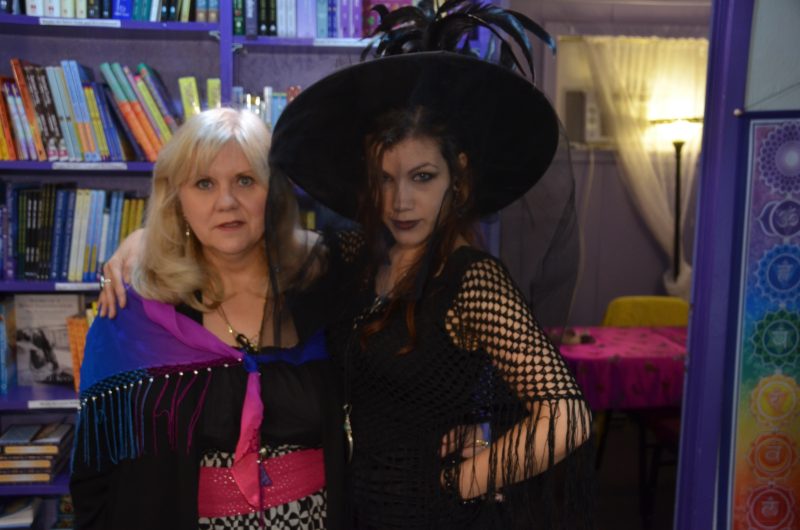
Few places embody Halloween: History, Folklore & Fear quite like Cassadaga, Florida. Known as a spiritualist community, Cassadaga attracts witches, psychics, and curious visitors every Halloween.
A Living Celebration of the Spirit World
At Cassadaga, Florida, the line between this world and the next was always a little thin. During Halloween, the whole town leaned into its supernatural roots. Costumes, rituals, readings, and community gatherings kept the spirit of the Feast of the Dead alive—blending ancient reverence with modern celebration.
Halloween Superstitions: Fear, Folklore, and the Unknown
No holiday carries more old-world superstitions than Halloween. In the context of Halloween: History, Folklore & Fear, these beliefs remind us that this night has always walked the edge between reality and the otherworld.
Mirrors, Marriage, and Messages from the Dead
Some of the most persistent Halloween superstitions revolve around divination—trying to glimpse the future or communicate with spirits.
- Mirror Magic: In some traditions, young women would walk backward down stairs at midnight, holding a candle and a mirror. If done correctly, the face of their future husband would appear behind them in the glass.
- Apple Peel Prophecy: Peeling an apple in one long strip, then tossing it over your shoulder, was said to form the first letter of your true love’s name.
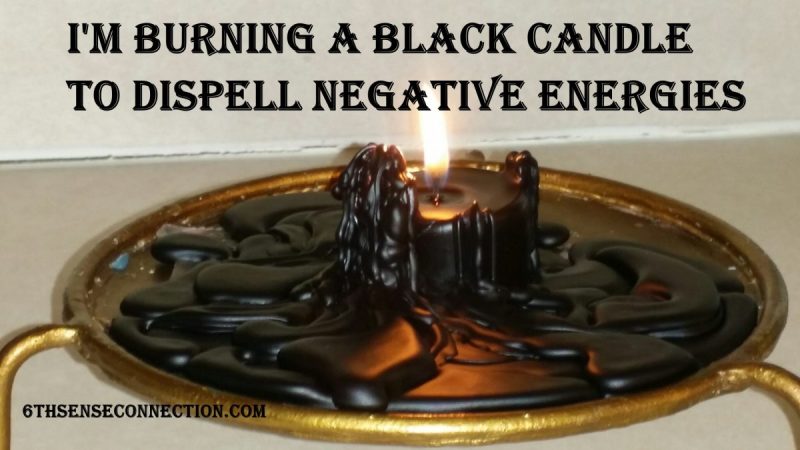
- Candle Gazing: Lighting a candle in front of a mirror and gazing into your own reflection was thought to reveal a spirit guide—or, more ominously, a death omen.
These rituals weren’t games. In earlier centuries, it was a serious business. They speak to a time when the boundary between fate and fear was razor-thin.
Everyday Halloween Omens and Warnings
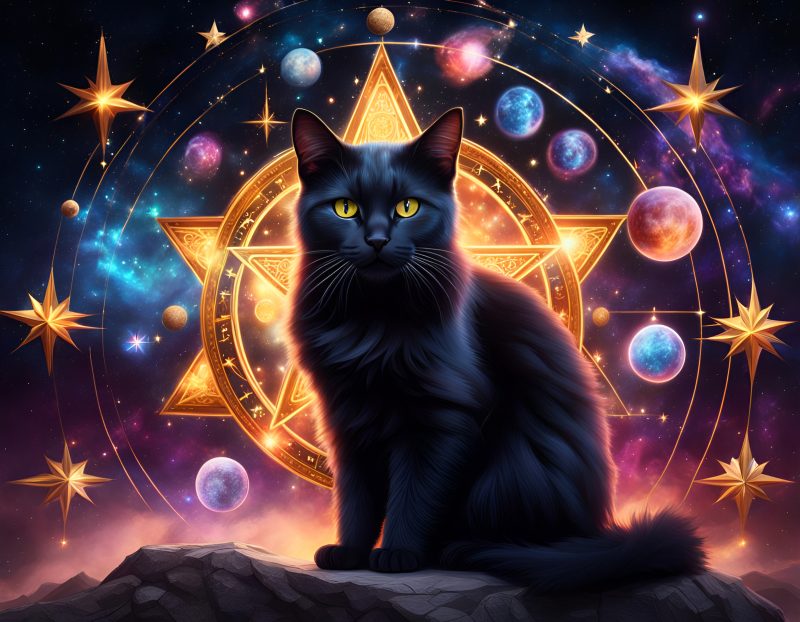
- Black Cats crossing your path were believed to be witches’ familiars, bad luck, or even spirits in disguise.
- Owls seen or heard on Halloween were considered harbingers of death—or shape-shifted witches watching from the trees.
- If you heard footsteps behind you but saw no one, it was said a spirit was following you.
- Whistling at night, especially on Halloween, was believed to attract wandering souls or dark spirits.
In modern times, these stories have evolved into party games or quirky fun—but at their core, they reflect the real fears of the unknown that have shaped Halloween: History, Folklore & Fear for generations.
What to Do on All Hallows’ Eve: Rituals, Fun, and Modern Magic
Halloween isn’t just for costumes and candy. If you want to truly honor Halloween: History, Folklore & Fear, here are traditional and meaningful ways to mark All Hallows’ Eve.
1. Set a Place for the Dead
Just like the ancient Feast of the Dead, set an empty place at your dinner table with a plate and a lit candle for any ancestors who may visit. You can write them a note, speak their name aloud, or offer your presence in silence. This quiet moment reconnects you with the holiday’s deeper roots.
2. Light a Samhain Fire or Candle
If you can’t light a bonfire, a simple candle will do. Fire has always been used to light the way for spirits and to protect the living. As part of your All Hallows ritual, you can carve sigils or words into a candle and burn it with intention—whether to invite guidance or banish fear.
3. Leave an Offering
Food, drink, coins, or flowers left outside your door are traditional offerings to the spirits. You’re not feeding ghosts—you’re showing respect. This act, embedded in Halloween: History, Folklore & Fear, turns your space into sacred ground.
4. Try a Traditional Divination Game
Bring back the old ways with a modern twist. Here are a few ideas:
- Apple bobbing wasn’t just for fun—it was a form of love divination.
- Nut burning: Couples would place two nuts in a fire—if they burned together, the relationship was strong.
- Name scrolls: Write the names of potential suitors on pieces of paper and place them under your pillow. The name you dream of is said to be your true love.
5. Dress Up with Intention
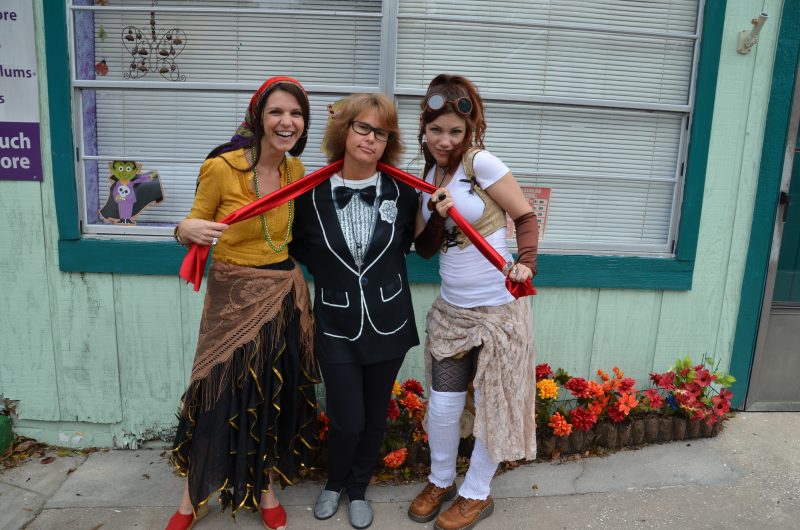
Costumes were worn initially to confuse or repel spirits. You can do the same with intention. Dressing as a figure (like a goddess, witch, nun, warrior, or ancestor) can be a form of magical protection or empowerment.
6. Visit a Cemetery (Respectfully)
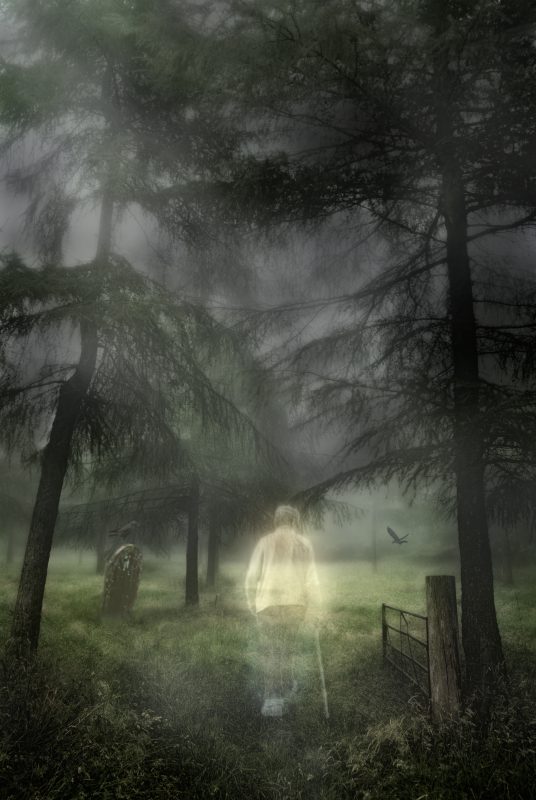
One of the most potent ways to connect with Halloween: History, Folklore & Fear is to visit a cemetery. Bring flowers or light a candle, especially if you have family buried there. Speak to them. Honor them.