

In today’s world, more and more people are asking a deeply personal question: What’s the difference between spirituality and religion, and which path is right for me? In this exploration of spirituality vs religion, we’re not here to declare a winner. We’re here to uncover the unique beauty, wisdom, and purpose within both—and help you recognize where your soul feels most at home.
Spirituality and Religion: What’s the Real Difference?
So, what exactly is spirituality? Think of it as a secret handshake with the universe—a deeply personal, intuitive connection to something greater than yourself. It’s not about rules or rituals, but about resonance. And no, you don’t need a beard, a bell, or a burning bush to be part of it.
Religion, on the other hand, is a sacred symphony composed over centuries. It offers structure, stories, community, and rituals passed down through generations—a time-honored path that guides millions in their spiritual search.
Whether you’re spiritual, religious, or somewhere in between, this guide will help you understand the key differences, the beautiful overlaps, and how to walk your own sacred path with clarity and confidence.
What Is Spirituality?
Spirituality is often described as the search for meaning, connection, and inner peace—but it’s more than just a concept. It’s a deeply personal journey, a kind of VIP pass to the backstage of life. Unlike religion, which is often structured and communal, spirituality is an individual exploration of the divine, the universe, or simply your higher self.
At its core, spirituality asks one simple question:
“What lights me up from the inside?”
It’s not about dogma or doctrine—it’s about direct connection. For many, spirituality is the pursuit of purpose, peace, and a profound sense of belonging to something greater than themselves. Whether that “greater” is God, Source energy, the cosmos, or your own soul’s calling—it’s yours to define.
What Are Spiritual Practices?
Spiritual practices are as unique as the seekers who engage in them. You might find your sacred moment while meditating under the stars, walking barefoot on the earth, or journaling during a full moon. There’s no fixed rulebook—only a compass. And that compass? It’s you.
From lighting a candle to creating an ancestral altar, saying a quiet prayer to singing to the stars, spiritual rituals transform ordinary moments into sacred ones. They’re not about performance—they’re about presence.
Ritual is where intention meets magic.
This is one of the key differences between spirituality and religion: spirituality is highly individual. It may involve traditional practices like prayer or meditation—or none at all. What it always involves is awareness, inner presence, and a longing to connect with the divine—whether within yourself or in the world around you.

Discover Your Psychic Path with Our Free Quizzes
Unlock your inner magic and explore the wisdom of Spirit with our interactive quizzes. Each one is designed to reveal more about your intuition, your soul path, and the hidden gifts waiting inside you.
What Is Religion?
If spirituality is a solo journey of inner exploration, then religion is a well-mapped path traveled by many. It’s a sacred structure built on centuries of tradition, ritual, and shared beliefs. Where spirituality is fluid and personal, religion offers community, consistency, and guidance.
Imagine religion as a symphony: the music has been composed, the notes are written, and the instruments are passed down from generation to generation. There’s a conductor—often in the form of spiritual leaders, sacred texts, or institutions—and a collective of believers who come together to express devotion, seek meaning, and live in alignment with divine principles.
At its core, religion answers life’s biggest questions:
- Why are we here?
- What happens when we die?
- How should we live?
Religious traditions—such as Christianity, Islam, Judaism, Hinduism, and Buddhism—provide a framework for understanding the divine and living a moral, purposeful life. Through scriptures, sermons, holy days, and sacred symbols, religion offers a communal path to spiritual fulfillment.
Where spirituality invites you to follow your inner compass, religion gives you a map—and a guide—to help you navigate the journey.
Spirituality and Religion: Key Takeaway:
Both spirituality and religion seek connection with the divine. The main difference? Spirituality is self-directed and intuitive, while religion is structured and rooted in tradition. Neither is right or wrong—they’re simply different expressions of the same sacred longing.
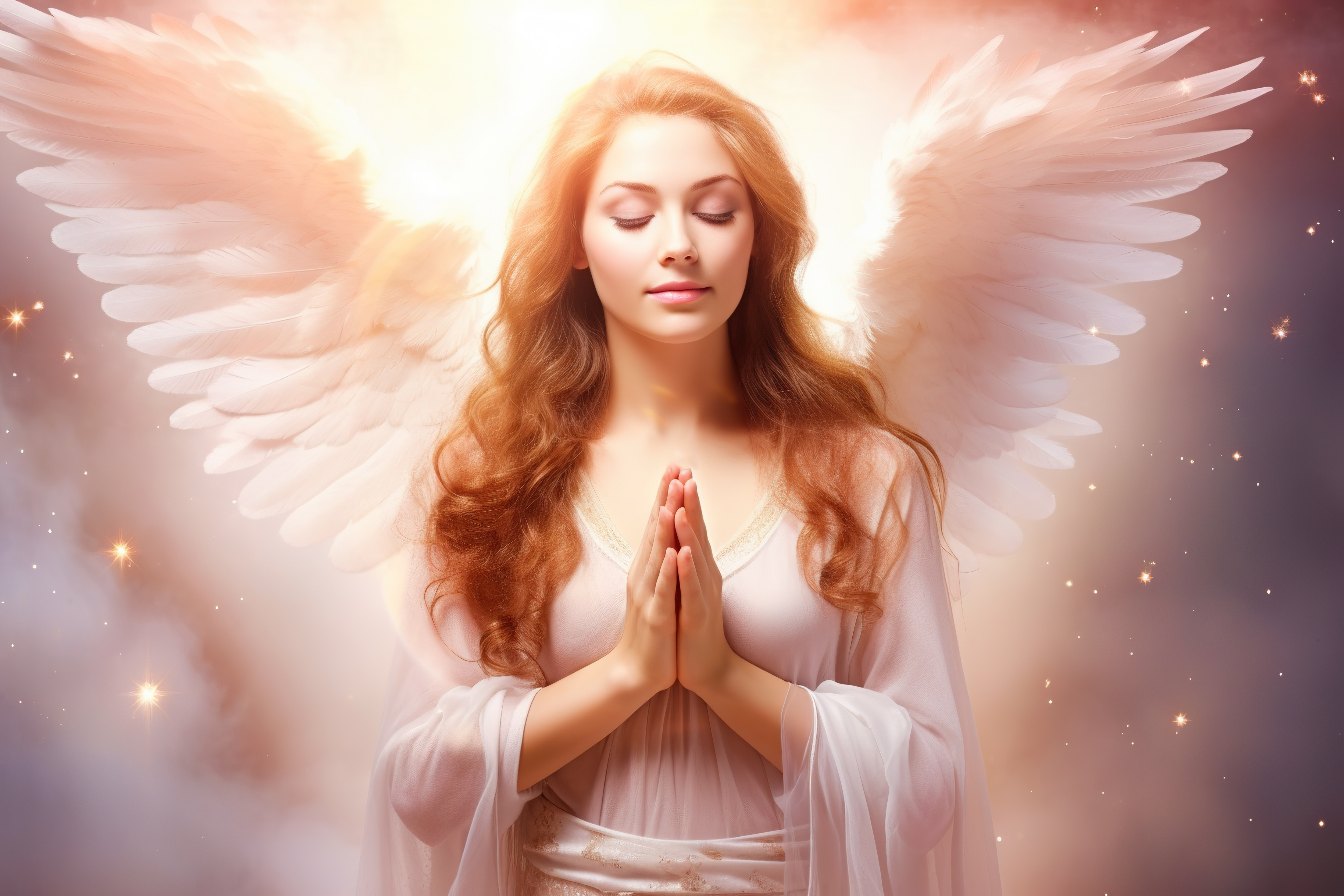
Spirituality and Religion Combined
While spirituality and religion are often seen as separate, the truth is they can beautifully coexist—and often do. Many religious traditions like Christianity, Islam, Hinduism, Judaism, and Buddhism provide a structured path to the Divine while also encouraging deeply personal spiritual experiences.
These traditions offer a framework of faith: sacred texts, prayers, rituals, moral teachings, and community gatherings that ground the individual in something larger than themselves. Through holidays, sacraments, chants, and shared beliefs, religion becomes a spiritual container, guiding people in their relationship with the divine.
For many, religion is their spiritual path. It offers:
- Discipline through consistent practice
- Comfort in times of loss or uncertainty
- Community rooted in shared values
- Purpose through moral and existential teachings
It also provides answers to life’s deepest questions:
Why are we here? What is our purpose? What happens when we die?
For millions around the world, religion is not just a belief system—it’s a lifeline, a source of connection, a moral compass, and a well of hope. And within that framework, there’s often plenty of room for personal spiritual exploration, mystical experience, and inner transformation.
| Aspect | Spirituality | Religion |
|---|
| Path | Personal and intuitive | Institutional and communal |
| Belief System | Flexible, evolving | Structured, based on doctrines |
| Practices | Meditation, nature rituals, journaling | Prayer, worship, sacraments, holy days |
| Authority | Inner guidance or personal experience | Sacred texts, religious leaders |
| Connection to Divine | Direct, personal experience | Mediated through tradition and scripture |
| Community | Optional, often solitary or small groups | Central, often large and organized |
| Goal | Self-awareness, inner peace, spiritual growth | Salvation, obedience to divine law, moral living |
Angels in Spirituality and Religion:
Angels are one of the most enduring and universally loved symbols found in both spirituality and religion. Across cultures and belief systems, they are seen as celestial beings of light—messengers, protectors, and divine allies who serve as a bridge between the human and the sacred.
Angels: Messengers of Light and Love
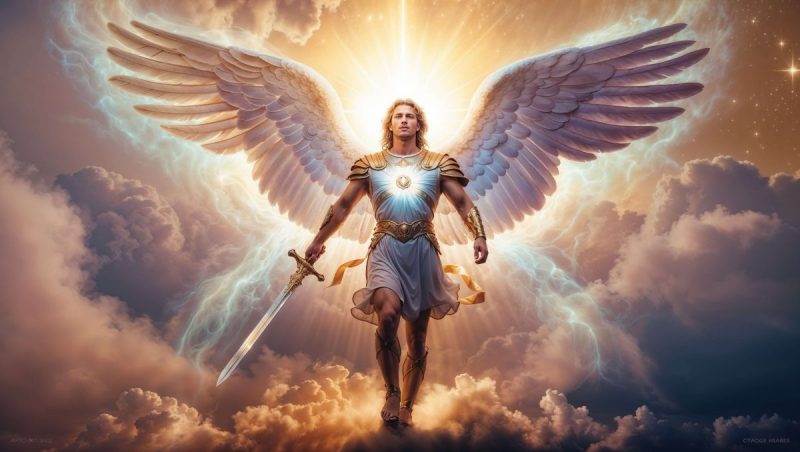
Angels are one of the most enduring and universally loved symbols found in both spirituality and religion. Across cultures and belief systems, they are seen as celestial beings of light—messengers, protectors, and divine allies who serve as a bridge between the human and the sacred.
Angels in Spirituality
In spirituality, angels are embraced with more fluidity and personal connection. Rather than belonging solely to a religious system, they are seen as energetic beings of unconditional love who are available to anyone—regardless of belief or background.
Many spiritual seekers connect with angels through:
- Meditation
- Prayer or intention-setting
- Angel card readings
- Energetic healing work
- Journaling or intuitive communication
You don’t need a specific doctrine or priest to reach them—just an open heart and a willingness to listen.
Archangels: Healing, Protection, and Guidance
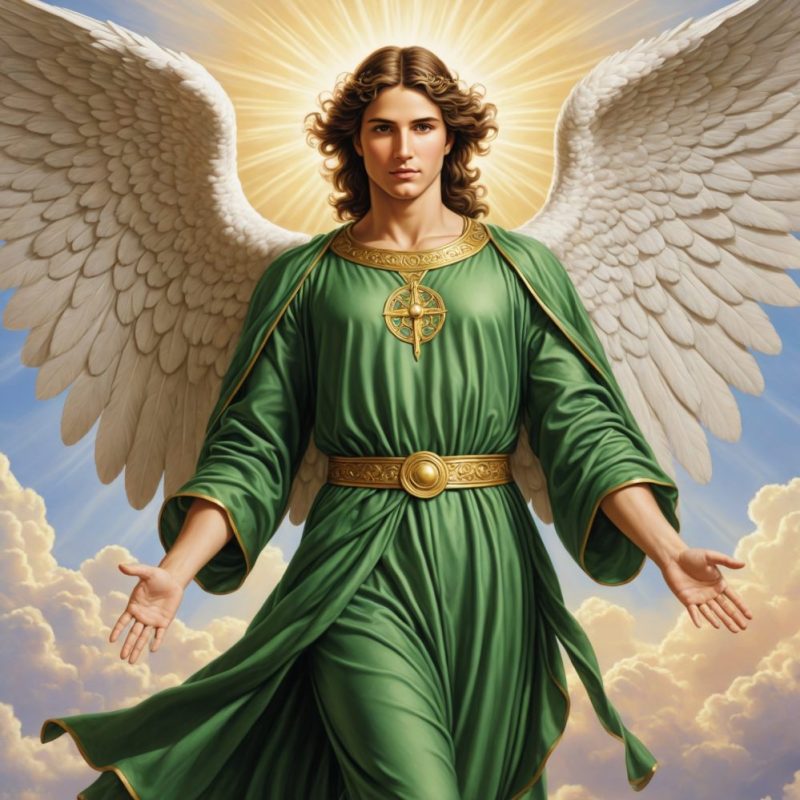
One of the most beloved figures in both traditions is Archangel Raphael, often known as the healing angel. He is called upon in times of physical, emotional, or spiritual distress to bring peace and restoration.
Other well-known archangels include:
- Michael – Protector and warrior of light
- Gabriel – Messenger and communicator
- Uriel – Illuminator of wisdom and insight
Each archangel holds a unique frequency and purpose, and many people form personal relationships with them as spiritual allies and guides.
Start Your Day with a Message from Spirit
Feel supported, guided, and inspired—every single day.
Get your free Daily Message from Spirit and tune into the wisdom that’s already waiting for you.
Angels as a Bridge Between Spirituality and Religion
Whether you meet them in scripture or in a moonlit meditation, angels remind us that we are never truly alone. They are a shared symbol between spirituality and religion—evidence of how both paths seek to connect us with the unseen realms of love, truth, and divine guidance.
From moon circles to cathedral pews, lighting a candle in honor of an angel becomes a universal ritual—a sacred moment where intention meets the mystical.
The Role of Psychic Mediums in Spirituality and Religion
Psychic mediums occupy a unique—and often misunderstood—space within the realms of spirituality and religion. For some, they are trusted guides who offer profound spiritual insights. For others, they challenge traditional belief systems and provoke deeper questions about the nature of divine communication.
Psychic Mediums in Spirituality
In spirituality, psychic mediums are commonly seen as intuitive bridges between the physical and spiritual worlds. They may offer:
- Messages from departed loved ones
- Guidance from spirit guides or ascended masters
- Energetic insights that help with healing, clarity, or direction
Rather than relying on religious doctrine, spiritual mediums often tap into their intuitive abilities through meditation, clairvoyance, energy work, and rituals. Many spiritual seekers turn to mediums for comfort, closure, or cosmic guidance during pivotal life transitions.
In spiritual practice, the medium is not a gatekeeper, but a translator of the unseen.
Psychic Mediums in Religious Contexts
The role of mediums in religion is far more nuanced. Some faiths, like Spiritualism, openly accept mediumship as a sacred spiritual gift. In these communities, mediums serve as channels through which divine or ancestral wisdom can be shared.
However, other major religions view mediumship with caution—or outright disapproval—based on scriptural interpretations or theological concerns. Yet even in more traditional faiths, prophets, mystics, and seers often held roles that mirror what we now associate with psychic mediums:
- Receiving divine visions
- Interpreting dreams
- Channeling messages from angelic or divine realms
These figures, whether biblical prophets or Islamic mystics, served a similar function: to communicate divine truth to humanity.

Cassadaga, Florida: A Living Blend of Spirituality and Religion
One of the most fascinating real-world examples of this blending is Cassadaga, Florida—often called the “Psychic Capital of the World.” Rooted in the Spiritualist tradition, Cassadaga is home to mediums, healers, and spiritual teachers who combine elements of both religious structure and spiritual practice.
If you’re visiting Florida, you must visit Cassadaga to see the world-renowned Spiritist camp. You can also visit the Cassadaga bookstore, or get a reading from one of our favorite psychic mediums, Trish Smith, and attend temple and message services on Sunday mornings.
Blending Spirituality With Religion
Many religions blend spirituality and religion into their practice. Hinduism, Islam (specifically Sufism), and the Baha’i Faith are examples of traditions that emphasize both. Hinduism, for instance, sees the universe as God and each person as intrinsically divine, encouraging the realization of that divinity within. Islam’s Sufism focuses on purification, spirituality, and asceticism, while the Baha’i Faith highlights the essential worth of all religions and the unity of humankind.
Spirituality And Religion In Christianity
Embracing both as exemplified by Unitarian and Spiritualist Churches allows for a personal and evolving faith journey within a broader framework. These denominations offer spaces for individuals to explore their connection to the divine through reason and reflection (Unitarianism) or direct communication with spirits (Spiritualism).
Common Misconceptions About Religon Vs Spirituality
Let’s clear up some fog, shall we?
Myth 1: Spirituality is flaky.
Spirituality may be fluid, but that doesn’t mean it’s shallow. Many spiritual seekers go deep—into shadow work, healing trauma, and confronting existential questions. It’s not all incense and humming (though we’re fans of both).
Myth 2: Religion is outdated.
Far from it. Religion has been the cornerstone of civilizations. It offers deep wisdom, community, and a rich heritage. In a world that often feels unmoored, religion provides many with an anchor of values, belonging, and meaning.
Myth 3: You have to choose one.
Nope! You can be deeply spiritual and still love religious traditions. Many people identify as “spiritual but not religious,” while others feel both paths dancing in harmony within their hearts.
Why Embrace Spirituality?
Let’s talk about the magic of embracing your spiritual side. Whether you choose to combine your Spirituality with Religion, is a personal choice. Think of your spirituality as having a cosmic GPS with a destination called “peace of mind.” It doesn’t just guide you through traffic—it helps you navigate heartbreak, fear, and those weird days when everything feels upside down.
Here are just a few shimmering benefits of spirituality:
- Inner Calm: Like a quiet lake in the chaos of life.
- Purpose Discovery: A gentle nudge toward your soul’s mission.
- Intuitive Insight: A tap into your own inner oracle.
- Resilience: Strength for the storms, softness for the sunshine.
- Connection: To the Earth, the stars, and every heartbeat in between.
A Spiritual Smorgasbord: Choose Your Magic
The best part? There’s no “one size fits all” in the spiritual realm. It’s a soul buffet, and you’re invited to sample everything.
Meditation: The Art of Stillness

It’s like giving your brain a bubble bath. Just a few minutes a day can declutter your mind and deepen your awareness. You don’t need incense (but it helps). Just breathe, be, and become. In religion, this is often referred to as prayer, but both Spirituality and Relgion uses meditation in some form.
Yoga: Dance for the Soul
Beyond stretchy pants and downward dogs, yoga is a sacred movement practice that unites body, mind, and spirit. Every pose is a prayer, every breath a blessing.
Mindfulness: The Superpower of Now
Mindfulness is the gentle art of paying attention—fully, intentionally, and without judgment. In the realm of spirituality, mindfulness is often a core practice that helps you tune into the present moment, connect with your higher self, and experience life with heightened awareness. It can be as simple as noticing your breath, savoring a warm cup of tea, or feeling the sun on your face.
In some traditions, especially Buddhism, mindfulness is a foundational teaching that cultivates compassion, clarity, and inner stillness. Christian contemplative prayer, Sufi whirling meditation, and Jewish hitbodedut (personal prayer) all echo mindful presence. Whether approached as a secular tool or a sacred act, mindfulness reminds us that the divine is found not just in the heavens, but in every moment we choose to truly be.
Energy Healing: A Reboot for the Soul
Reiki, sound baths, chakra balancing—energy healing helps you clear blocks and realign with your natural flow. Think of it as spring cleaning for your spirit. In spirituality, energy healing is often viewed as a holistic practice to balance the energetic body and promote personal harmony.
Energy healing can be a form of faith healing, hands-on healing, or prayer circles, where divine intervention is called upon to bring restoration and peace. Both perspectives emphasize the unseen forces of healing and holy love, whether through universal energy or the hands of the faithful.
Crystals and Gemstones: Earth’s Secret Agents

Amethyst for calm. Citrine for abundance. Rose quartz for love. These shimmering stones are more than pretty—they’re companions on your spiritual path. In spirituality, crystals are believed to hold specific vibrations that help align the energy centers of the body, enhance meditation, and amplify intentions. Religiously, while not universally embraced, crystals are referenced in sacred texts such as the Bible’s description of the high priest’s breastplate, which was adorned with twelve gemstones. Whether viewed as tools for intention or symbols of divine craftsmanship, crystals invite us to appreciate the sacred embedded in the Earth itself.
Astrology: The Map of the Stars
Your birth chart is like a cosmic blueprint. It reveals your strengths, lessons, and destiny. Whether you’re a fiery Aries or a dreamy Pisces, the stars have stories for you. To find out about yours, book a reading with Sherre.
Sacred Rituals: Celebrating the Soul
From moon circles to ancestral altars, rituals mark the sacred in everyday life. Light a candle, say a prayer, sing to the stars—ritual is where intention meets magic.
What Does God Think About Spirituality?
This question invites us into a deeply personal space. While religious institutions may offer varied interpretations, many spiritual teachers and mystics across traditions agree on this: God is love. God is within. God is not limited by human-made boundaries.

Scriptures like the Bible remind us that “The Kingdom of God is within you.” That divine spark, that connection to something greater, is embedded in the fabric of your being. Spirituality is often the recognition of this inner light.
Rather than demanding conformity, many believe God celebrates authenticity, love, and the courage to seek truth. Whether you call it Source, the Divine, Spirit, or Creator—that presence is not confined to buildings, robes, or rules. It’s found in silence, in joy, in tears, in awe.
So what does God think about spirituality? Perhaps God whispers, “Welcome home.”
The Beauty of Religion
While spirituality dances with the cosmos, religion sings in the choir of the Earth’s wisdom traditions. Here’s why millions continue to walk this sacred path:
- Community: A gathering of hearts around shared values.
- Tradition: Stories and symbols that connect generations.
- Purpose: A life guided by moral principles and sacred texts.
- Ritual: Sacred rhythm that grounds you in the divine.
- Hope: A light that shines through suffering and uncertainty.
Religion teaches love, forgiveness, and service. It asks us to look beyond ourselves and extend compassion. At its best, it is a refuge for the weary and a lighthouse for the lost. Both teach the golden rule: Do unto others as you would have them do to you.
FAQs About Spirituality Vs Religion
Q: Can I be spiritual without being religious?
Absolutely. Spirituality is your personal quest—it doesn’t require membership in any group.
Q: Can I be Spiritual and Religious?
Of course! Spirituality adds depth and intimacy to religious practice.
Q: How do I know which path is right for me?
Listen inward. Try different practices. See what resonates.
Q: Is one better than the other?
Nope! What matters is what brings you closer to your most authentic self.
Q: Do I need a teacher or guru?
Only if you want one. Your intuition is your greatest guide.
Q: What if I feel lost?
Welcome to the club. Keep going. The path will reveal itself as you walk it.
Embrace Your Path
Here’s the cosmic truth: there’s no wrong way to awaken. Whether you kneel in a cathedral or chant under a full moon, the Divine doesn’t care how you come home—only that you do.
Your journey is not about taking sides. It’s about listening to your soul’s unique rhythm. Maybe it’s participating in a gospel choir or listening to the sounds of a Tibetan bowl. Perhaps it’s both. What matters is that you follow your unique path.
So, light your candle. Take a deep breath. And remember: the sacred is not far away. It lives in your heart, your breath, your being.
Your intuition led you here. Join a free forum for like-minded people ready to explore intuition, psychic development, and manifestation in a supportive space.
Embrace The Mystery of Your Path
Life is wild, wonderful, and occasionally weird. Embrace the mystery. Laugh with it. Cry with it. Let your spirit sing its song, whether hallelujahs or humming OM. You don’t have to do both; pick one if that resonates with you.
You are stardust and story, infinite and evolving. Don’t worry so much about the label—just keep seeking, keep loving, and keep that inner flame burning bright.
And if you’re craving deeper guidance, connection, or a cosmic cheerleader on your path? Our gifted psychics are here with workshops, readings, and personalized tools to help you fine-tune your spiritual GPS. You don’t have to walk this path alone.
Become A member of 6th Sense Connection
Membership is free, and we embrace Spirituality and all faiths. Meet like-minded people on their path towards spiritual enlightenment. All you need is an open mind and a willingness to embrace everyone regardless of color, sexual orientation, or belief system. We are all growing and learning at our own pace. Sign up for our newsletter and let’s see how we can help you!
Until next time,
Love, Light and Angel Blessings,,
