Many people exploring personal growth or spirituality eventually encounter the idea of the shadow self. If you have ever wondered why certain situations trigger strong emotional reactions, or why similar patterns keep appearing in your life, the answer may lie within this hidden part of the psyche.
Understanding the shadow self meaning helps explain why emotions sometimes rise unexpectedly and why certain parts of our personality seem to operate beneath the surface of conscious awareness.
What Is the Shadow Self?
The shadow self refers to the unconscious aspects of our personality that we tend to reject, hide, or suppress.
The concept was first explored by psychologist Carl Jung, who described the shadow as the parts of ourselves the conscious mind does not easily recognise. These can include emotions such as anger, jealousy, fear, insecurity, or resentment.
But the shadow does not only contain uncomfortable traits.
It can also hold positive qualities that were discouraged earlier in life, creativity, independence, confidence, intuition, or personal power. When these parts of ourselves are pushed into the unconscious mind, they do not disappear. Instead, they quietly influence our emotions, reactions, and relationships.
For example, someone who learned early in life that anger was unacceptable may suppress it completely. Over time that buried emotion can resurface as resentment, passive aggression, or sudden emotional outbursts.
Understanding the shadow self meaning allows us to see these reactions in a different light. Rather than viewing them as flaws, we begin to recognise them as signals from parts of ourselves that are asking to be acknowledged and understood.
In simple terms, the shadow self meaning refers to the hidden parts of our personality that exist outside conscious awareness but still influence how we think, feel, and react in everyday life.
Shadow Self vs Ego vs Higher Self
Many people exploring personal growth or spirituality encounter these three concepts: the shadow self, the ego, and the higher self. Although they are related, they represent different aspects of the psyche.
| Aspect | Shadow Self | Ego | Higher Self |
|---|---|---|---|
| What it represents | Hidden emotions, instincts, and suppressed traits | The conscious identity and sense of self | The deeper intuitive wisdom within you |
| How it appears | Emotional triggers, reactions, hidden patterns | Thoughts, identity, decision-making | Intuition, insight, inner guidance |
| Purpose | Protects vulnerable parts of the psyche and holds hidden traits | Helps navigate everyday life and social roles | Guides personal growth and spiritual awareness |
| When you notice it | During emotional reactions or repeated life patterns | In everyday thinking and self-perception | During moments of clarity, intuition, or deep reflection |
Understanding the shadow self meaning becomes easier when we see how these aspects of the psyche interact. The shadow holds what has been hidden, the ego manages daily life, and the higher self offers perspective and guidance.
When these parts begin working together rather than against each other, people often experience greater self-awareness and emotional balance.
Is the Shadow Self Bad?

A common misconception about the shadow self is that it represents something dark or dangerous within the personality. In reality, the shadow self is not bad. It is simply the part of the psyche that contains emotions, instincts, and traits that were pushed outside conscious awareness.
These aspects were often hidden for understandable reasons, to avoid criticism, rejection, or conflict. Because of this, the shadow frequently contains parts of ourselves that were never fully expressed.
Shadow work is not about eliminating these aspects of the self. Instead, it is about bringing them into awareness so they can be understood and integrated in a healthier way. Shadow work isn’t about eliminating these aspects of yourself. It’s about bringing them into awareness so they can be understood and integrated in a healthier way—otherwise, it becomes spiritual bypassing.
Why You Need Your Shadow Self

Your shadow self is often misunderstood. Many people assume the shadow represents something negative that should be eliminated. In reality, the shadow often developed as a way to protect you. When you experienced criticism, rejection, emotional hurt, or moments where expressing your true feelings did not feel safe, parts of your personality stepped forward to help you cope.
Those responses might appear as:
- anger when boundaries are crossed
- defensiveness when you feel attacked
- emotional withdrawal when something feels overwhelming
These reactions are not personal failures. They are survival strategies.
In many ways the shadow acts like an inner warrior, rising when your boundaries are threatened or when something in your environment does not feel right.
The challenge arises when this protective energy lives entirely in the unconscious mind. When ignored, it can appear suddenly through emotional reactions that feel confusing or disproportionate.
Shadow work is not about destroying this part of yourself. It is about understanding it.
When awareness is brought to the shadow, hidden strengths begin to emerge, courage, instinct, resilience, and the ability to stand firmly in your truth. Instead of fighting against your shadow, you learn to work with it. And what once felt like an enemy often becomes one of your greatest allies.
The Shadow Self and Intuition
The shadow self and intuition are often closely connected. When parts of ourselves are pushed into the unconscious, they may still communicate through instinctive feelings, em otional reactions, or sudden insights.Many people discover that as they begin exploring the shadow self meaning, their intuition becomes clearer. What once appeared as confusion or emotional triggers can begin to reveal deeper messages about personal boundaries, truth, and self-trust.
Signs Your Shadow Self May Be Showing Up

Because the shadow self operates largely outside conscious awareness, it often reveals itself through emotional patterns and reactions.
Common signs include:
- Strong emotional reactions that feel larger than the situation itself
- Repeating relationship patterns or similar life challenges
- Feeling unusually triggered by traits in other people
- Persistent feelings of guilt, shame, or harsh self-criticism
- Self-sabotaging behaviours that interfere with goals
- Judging others strongly for qualities that feel uncomfortable within ourselves
These experiences are not signs of weakness, they are invitations to look deeper.
When we understand the shadow self meaning, these moments can shift from frustration to curiosity. Instead of asking “What is wrong with me?” we begin asking “What part of myself might be asking to be seen?”
Why the Shadow Self Appears When Emotions Are Raw
The shadow often appears during moments when emotions feel especially intense. You might notice it during arguments, moments of rejection, or situations where you suddenly feel hurt, defensive, or misunderstood. These reactions can feel overwhelming because they often connect to experiences from earlier in life.
When a situation touches an old emotional wound, the shadow reacts first. It attempts to protect the part of you that once felt vulnerable. This is why shadow work can feel uncomfortable at times. It asks you to look honestly at emotions you may have learned to avoid.
But within those emotions is valuable information.
The shadow is not simply reacting to the present moment. It is pointing toward something deeper that may be asking for healing or understanding. Learning to pause and explore these emotional reactions with curiosity rather than judgment is often the first step toward integrating the shadow.
Your Shadow Has a Job

One of the most important things to understand about the shadow self is that it is not your enemy. The shadow exists because at some point in life, a part of you needed protection.
Perhaps a boundary was crossed.
Perhaps your instincts were ignored.
Perhaps a truth could not safely be spoken.
The shadow remembers those moments. That is why it often appears strongest when something feels unfair, unsafe, or dishonest. It reacts quickly, sometimes fiercely, because its purpose is protection. Seen this way, the shadow is not darkness.
It is an inner guardian.
It notices when something in your life is misaligned.
It reacts when your boundaries are crossed.
It pushes back when your intuition senses something is wrong.
When ignored, the shadow may show up as anger, resentment, or emotional reactions that seem sudden. But when understood, it becomes something far more useful. It becomes inner awareness.
The shadow helps you recognise when a boundary needs to be set, when a situation no longer aligns with who you are becoming, and when your soul is asking you to stop pretending everything is fine. Shadow work is not about eliminating these reactions. It is about learning to listen to them.
A Simple Example of the Shadow Self in Everyday Life
Understanding the shadow self meaning becomes easier when we look at how it appears in ordinary situations. Imagine someone who feels irritated by people who appear overly confident.
Each time they encounter this behaviour, they feel uncomfortable or judgmental. On the surface, it may seem like they simply dislike arrogance. But sometimes strong reactions point to something deeper.
Perhaps earlier in life they were taught that standing out or expressing confidence would attract criticism. To avoid conflict, they learned to hide their own confidence. Over time that suppressed quality moved into the unconscious mind, becoming part of the shadow.
When they encounter someone expressing confidence freely, that hidden part reacts. The reaction itself is not wrong. Instead, it reveals a part of the personality that may be asking to be reclaimed. Moments like this illuminate the shadow. They show how the parts of ourselves we once hid can quietly shape our emotions and perceptions.
When approached with curiosity instead of judgment, these moments become powerful opportunities for self-understanding.
Why the Shadow Self Exists

The shadow self develops naturally as we grow and adapt to the world around us.
From childhood onward we learn which behaviours and emotions are accepted and which are discouraged. In order to maintain approval or avoid conflict, we may suppress parts of ourselves that feel unacceptable.
Over time these rejected aspects move into the unconscious mind. This process happens to everyone. The shadow self is not a flaw. It is a natural part of psychological development.
Understanding the shadow self meaning allows us to reconnect with intuition and aspects of ourselves that were once hidden, bringing them back into conscious awareness where they can be understood and integrated.
As self-awareness deepens, many people also notice their intuition becoming stronger. Learning to trust your inner guidance is often part of the broader journey of personal growth and spiritual awakening.
Shadow Work: How to Explore Your Shadow Self

Working with the shadow self is often called shadow work.
This process involves exploring the emotions, patterns, and beliefs that arise from the unconscious mind. Learning healthy psychic protection can help you stay grounded as you explore deeper layers of your inner world.
Although the shadow is often associated with uncomfortable emotions, these hidden aspects of the psyche originally developed for a reason. In many cases the shadow formed as a psychological defence that helped us cope with difficult experiences.
Sometimes the shadow acts like a warrior within the psyche, stepping forward when we feel threatened or vulnerable. When we approach these reactions with curiosity instead of judgment, the shadow can transform from an unconscious protector into a conscious source of wisdom.
Several practices can support this process.
Self-Reflection
Journaling about emotional triggers and recurring patterns can reveal insights into the shadow.
Mindfulness and Meditation
Observing thoughts and emotions without reacting immediately helps hidden patterns become visible.
Dream Awareness
Dreams often carry symbols from the unconscious mind that reflect aspects of the shadow.
Creative Expression
Art, music, writing, or movement can provide powerful outlets for emotions that are difficult to express directly. Exploring these practices transforms the shadow self meaning from an abstract idea into a practical path of personal growth.
Working with intuitive tools such as oracle cards can also help reveal hidden emotional patterns. Many people find that drawing a card during reflection offers insight into aspects of the psyche that are ready to be explored.
Shadow Work Questions to Explore Your Shadow Self
Shadow work often begins with gentle self-reflection.
Questions like these can help reveal hidden emotional patterns:
- What personality traits in others trigger the strongest reactions in me?
- When do I feel most defensive or sensitive?
- What emotions do I try hardest to hide?
- Are there parts of my personality I avoid showing others?
- What patterns repeat in my relationships?
- What fears influence my decisions?
These questions are not meant to produce instant answers.
Instead, they invite deeper awareness over time.
Common Myths About the Shadow Self

Myth: The shadow self is purely negative
In reality, the shadow can contain both difficult emotions and hidden strengths.
Myth: Shadow work means fixing yourself
Shadow work is not about correcting flaws. It is about understanding and integrating the full range of human experience.
Myth: The shadow disappears once explored
The shadow does not disappear. It becomes easier to work with as awareness grows.
Benefits of Understanding Your Shadow Self
Exploring the shadow self meaning can lead to profound personal insight.
As awareness grows, many people notice meaningful changes in how they relate to themselves and others.
Some of the most common benefits of shadow work include:
• greater emotional awareness
• healthier personal boundaries
• improved relationships
• reduced self-sabotaging patterns
• stronger intuition and self-trust
• increased authenticity and confidence
Shadow work does not eliminate difficult emotions. Instead, it helps you understand them.
Over time, the parts of yourself that once felt confusing, overwhelming or your imagination running away with you can become sources of intuitive wisdom and self-awareness.
Integrating the Shadow Self

The goal of shadow work is integration.
When we acknowledge both our strengths and vulnerabilities, the shadow becomes less of a hidden force and more of a teacher.
Understanding the shadow self meaning ultimately leads to a deeper appreciation of the complexity of human nature.
Instead of trying to eliminate parts of ourselves, we learn to illuminate them with awareness and compassion.
In doing so, we move toward a greater sense of wholeness, where both light and shadow have their place in the journey of personal growth.
Using Oracle Cards for Shadow Self Reflection

For those who enjoy intuitive tools, oracle cards can offer gentle insight when exploring the shadow self.
Drawing a card during quiet reflection can help reveal emotions, beliefs, or patterns that may be ready to come into conscious awareness. Rather than predicting the future, oracle cards often act as mirrors for the inner world, helping you notice what your intuition may already be trying to show you.
Many people find that working with a dedicated reflection deck can deepen this process. The 6th Sense Connection Oracle Cards were designed to support intuitive exploration and self-awareness, making them a helpful companion when exploring themes connected to the shadow self.
Cards such as Reflection, Naughty or Nice, or Free Spirit can prompt powerful questions about personal boundaries, authenticity, and the parts of ourselves we may have hidden in order to fit into the expectations of others.
If you’re unsure whether tarot or oracle cards are best for reflection, this guide explains the difference between Tarot vs Oracle Cards.
Working with intuitive tools encourages curiosity and self-trust. Over time, these moments of reflection can reveal themes or messages that support a deeper understanding of the shadow self and the personal growth that comes from integrating it.
Signs You Are Integrating Your Shadow Self
As you begin to understand the shadow self meaning, you may start to notice subtle changes in how you respond to life’s challenges and emotions. Shadow work is rarely dramatic or sudden. More often, it unfolds gradually through small shifts in awareness and perspective.
One of the first signs of integrating the shadow self is becoming less reactive to situations that once triggered strong emotional responses. Instead of immediately feeling anger, shame, or defensiveness, you may find yourself pausing and observing what you are feeling with curiosity.
Another sign is recognising patterns in your thoughts or relationships without blaming yourself or others. Understanding the shadow self meaning allows you to see these patterns more clearly, helping you respond with greater awareness rather than repeating the same cycles.
You may also notice a deeper sense of compassion toward yourself. Instead of judging certain emotions or traits as unacceptable, you begin to see them as part of the natural complexity of being human. This shift in perspective often brings a sense of emotional balance and self-acceptance.
Many people also report feeling more authentic as they integrate their shadow self. When hidden aspects of the personality are acknowledged rather than suppressed, it becomes easier to express thoughts, emotions, and creativity in a more genuine way.
These changes do not happen overnight. Shadow work is an ongoing journey of self-discovery. But as awareness grows, the shadow self meaning becomes less about hidden darkness and more about embracing the full spectrum of who you are.
Over time, integrating the shadow self can lead to greater emotional resilience, stronger relationships, and a deeper sense of personal wholeness.
And perhaps most importantly, you begin to realise that the shadow was never something to fear.
Helpful Resources for Exploring Your Shadow Self
Exploring the shadow self can be a powerful journey of self-discovery. If you would like additional guidance while working with these ideas, you may find some of these resources helpful.
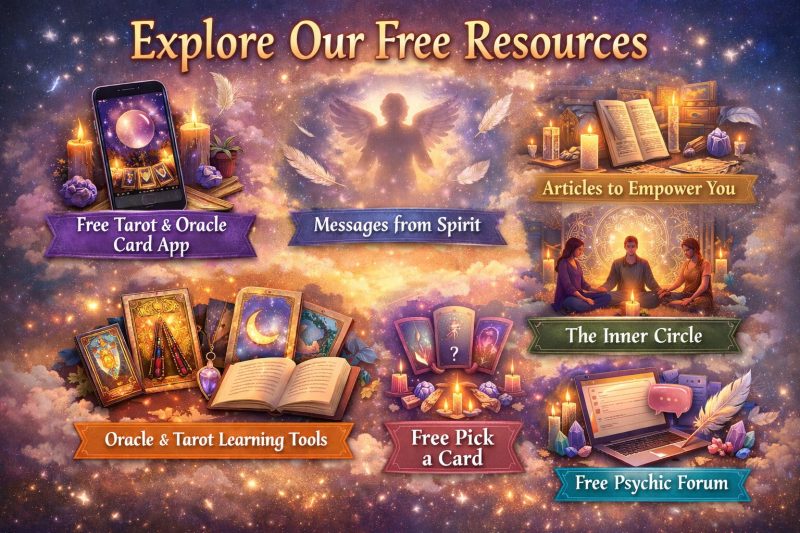
Free Spiritual Resources
If you are just beginning to explore shadow work or personal reflection, you may enjoy visiting our free psychic resources page, where you can find:
- free oracle readings
- intuitive development articles
- spiritual guidance and learning tools
- simple exercises for strengthening intuition
These resources are designed to support your personal exploration at your own pace.
Frequently Asked Questions About The Shadow Self Meaning
Shadow work and the shadow self can raise many questions. Here are answers to some of the most common questions people ask when learning about the shadow self and how it affects personal growth.
What is the shadow self meaning?
The shadow self meaning refers to the hidden or unconscious parts of our personality that we tend to suppress, deny, or ignore. These aspects can include emotions, instincts, and traits that influence our behavior without our full awareness. The concept was introduced by psychologist Carl Jung and is widely explored in psychology, spirituality, and personal growth.
Is the shadow self always negative?
No. The shadow self is not purely negative. While it can contain difficult emotions such as anger, fear, or insecurity, it can also hold positive qualities that were discouraged earlier in life, including creativity, confidence, independence, and intuition.
Is the shadow self bad?
No. The shadow self is not bad or dangerous. It simply represents parts of the psyche that have been pushed outside conscious awareness. Shadow work helps bring these hidden aspects into awareness so they can be understood and integrated rather than acting unconsciously.
What is shadow work?
Shadow work is the process of exploring and integrating the unconscious parts of the psyche. This can involve reflecting on emotional triggers, recurring patterns, and hidden beliefs in order to develop greater self-awareness and emotional balance.
Why does the shadow self get triggered?
The shadow self often becomes active when a situation touches an old emotional wound or suppressed part of the personality. When emotions feel intense or reactions seem stronger than expected, it may indicate that a hidden aspect of the psyche is seeking attention or understanding.
Can I explore my shadow self on my own?
Yes. Many people explore their shadow through journaling, meditation, self-reflection, dream awareness, or creative expression. Intuitive tools such as tarot or oracle cards can also help reveal emotional patterns that may be connected to the shadow.
What are signs of the shadow self?
Some common signs that the shadow self may be active include strong emotional reactions, recurring relationship patterns, feeling triggered by traits in others, self-sabotaging behaviors, or persistent feelings of shame or self-criticism.
What happens when you integrate your shadow self?
When the shadow is integrated, emotional reactions often become less intense and self-awareness increases. Many people report feeling more authentic, compassionate toward themselves, and better able to set healthy boundaries.
A Final Thought About the Shadow Self
Exploring the shadow is not about fixing yourself. It is about understanding the full depth of who you are and learning to trust both your emotions and your intuition along the way.
The shadow is not simply the darkness within you. It is the archive of every truth you were once told to hide. The emotions you were taught were too much. The instincts you were told to ignore. The strengths you learned to silence so others would feel comfortable.
Shadow work is not about becoming someone new. It is about remembering the parts of yourself that were never truly lost.
When you stop running from the shadow and begin listening to it, something remarkable happens. What once felt like an enemy slowly reveals itself as a guide.
Because the shadow does not exist to harm you.
It exists to show you where your power, honesty, and authenticity have been waiting to return.