


Let’s explore Tarot for beginners! Tarot cards have been used for centuries as a powerful and insightful tool for divination and self-discovery. Whether you are a beginner or have some experience with tarot, this guide aims to provide a comprehensive understanding of tarot cards and how to use them effectively.
Table of Contents
Introduction to Tarot Cards
Tarot cards are a deck of 78 cards divided into two main categories: the Major Arcana and the Minor Arcana. The Major Arcana consists of 22 cards representing significant life events and spiritual lessons. On the other hand, the Minor Arcana consists of 56 cards that reflect everyday situations and experiences.
Each tarot card carries unique symbolism and meaning, making it a powerful tool for gaining insight into various aspects of life, including love, relationships, career, and personal growth. By interpreting the cards and their positions in a spread, you can tap into your intuition and gain valuable guidance and perspective.
Getting Started with Tarot Cards
Start with a quality Tarot deck that resonates with you. Countless decks are available, each with its own artistic style and vibe. Take your time to explore different options and choose a deck that speaks to your intuition.
Once you have your deck, it’s essential to familiarize yourself with the cards and over time you’ll develop your meanings for the cards. The easiest way to begin is by studying the Major Arcana cards, which represent fundamental life lessons and archetypal energies. Consider creating flashcards or a journal to help you memorize the meanings and connect with the symbolism of each card.
Understanding Tarot Card Meanings
Every tarot card has multiple layers of interpretation, allowing for personalized and nuanced readings. While traditional interpretations exist for each card, it’s essential to trust your intuition and let the cards speak to you.
Typical Tarot Card Meanings
Here are some key meanings associated with the Major Arcana cards:
- The Fool: Represents new beginnings, spontaneity, and a willingness to take risks.
- The Magician: Signifies manifestation, personal power, and the ability to harness resources.
- The High Priestess: Symbolizes intuition, mystery, and feminine wisdom.
- The Empress: Represents abundance, nurturing energy, and creativity.
- The Emperor: Signifies authority, structure, and masculine energy.
- The Hierophant: Symbolizes tradition, spirituality, and seeking guidance from a higher power.
- The Lovers: Represents love, harmony, and soul connections.
- The Chariot: Signifies determination, willpower, and overcoming obstacles.
- Strength: Symbolizes courage, inner strength, and resilience.
- The Hermit: Represents introspection, solitude, and soul-searching.
- Wheel of Fortune: Signifies cycles, fate, and unexpected changes.
- Justice: Symbolizes fairness, balance, and making ethical decisions.
- The Hanged Man: Represents surrender, letting go, and gaining a new perspective.
- Death: Signifies transformation, endings, and rebirth.
- Temperance: Symbolizes moderation, balance, and finding harmony.
- The Devil: Represents materialism, addictions, and self-imposed limitations.
- The Tower: Signifies sudden upheaval, chaos, and unexpected events.
- The Star: Symbolizes hope, inspiration, and spiritual guidance.
- The Moon: Represents intuition, dreams, and the subconscious mind.
- The Sun: Signifies joy, vitality, and success.
- Judgment: Symbolizes self-reflection, awakening, and new beginnings.
- The World: Represents completion, accomplishment, and wholeness.
Minor Arcana: Tarot Meanings
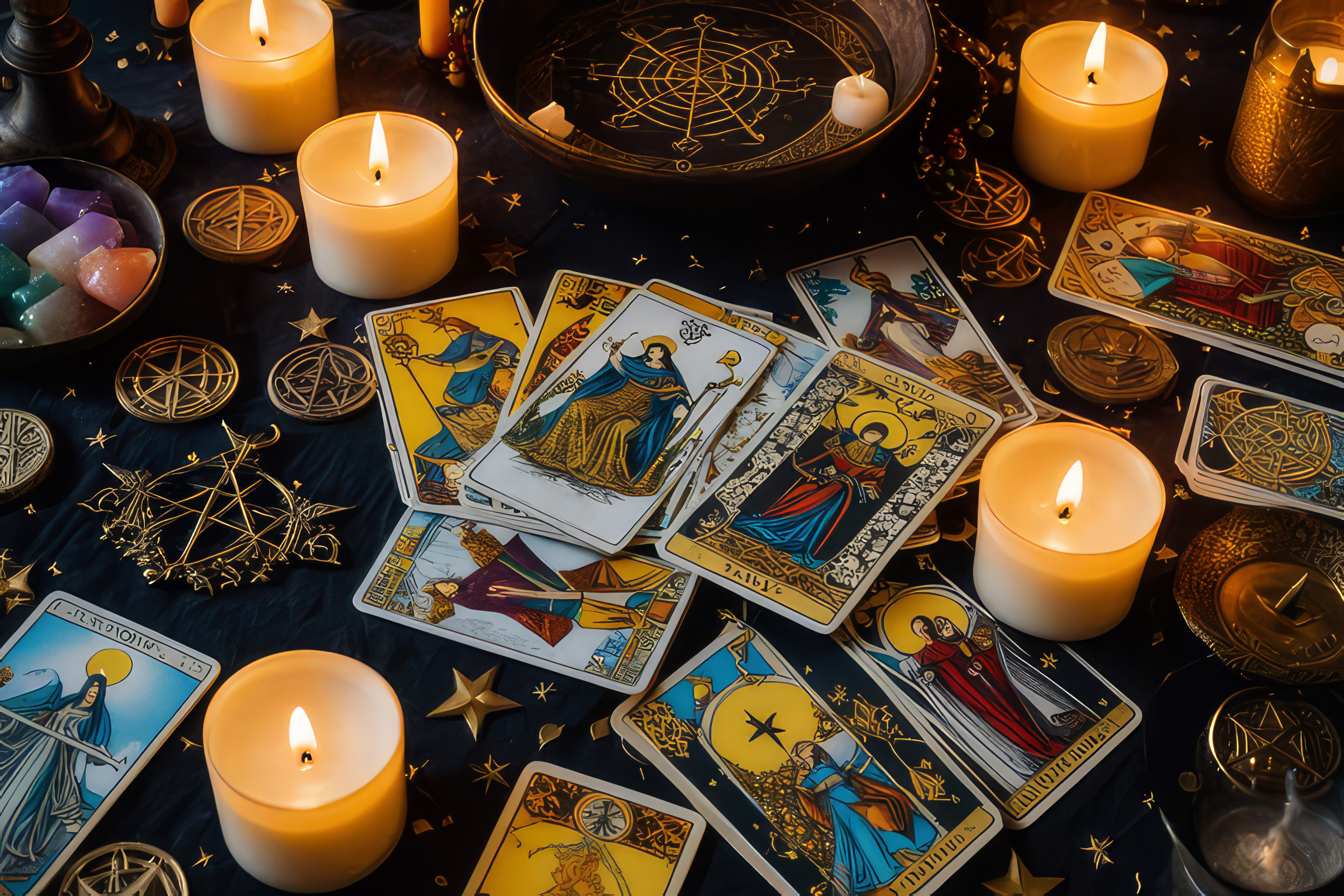
The Minor Arcana is divided into four suits: Wands, Cups, Swords, and Pentacles, each representing a different area of life. Each suit has cards numbered Ace through 10, plus four Court Cards: Page, Knight, Queen, and King.
Tarot Wands – The Suit of Passion and Purpose
Element: Fire | Themes: Inspiration, ambition, action, creativity
- Ace of Wands – A spark of inspiration, a new idea or exciting opportunity.
- Two of Wands – Planning and looking ahead; choosing your path.
- Three of Wands – Expansion, growth, and seeing early results.
- Four of Wands – Celebration, harmony, and joyful milestones.
- Five of Wands – Competition, tension, or scattered energy.
- Six of Wands – Victory, recognition, and success after effort.
- Seven of Wands – Standing your ground, defending your position.
- Eight of Wands – Fast movement, progress, and communication.
- Nine of Wands – Persistence, resilience, and protecting what you’ve built.
- Ten of Wands – Burdens, overwhelm, and the need to delegate or rest.
Court Cards (Wands)
- Page of Wands – A messenger of new adventures or exciting ideas.
- Knight of Wands – Bold action, enthusiasm, and high energy (sometimes impulsive).
- Queen of Wands – Confidence, charisma, and creative leadership.
- King of Wands – Visionary leadership, taking charge with passion and purpose.
Tarot Cups – The Suit of Emotions and Relationships

Element: Water | Themes: Love, connection, intuition, emotional growth
- Ace of Cups – New beginnings in love, joy, or emotional healing.
- Two of Cups – Deep connection, partnership, and mutual respect.
- Three of Cups – Friendship, celebration, and shared joy.
- Four of Cups – Discontentment, introspection, or emotional restlessness.
- Five of Cups – Grief, loss, and the importance of perspective.
- Six of Cups – Nostalgia, innocence, and reconnecting with the past.
- Seven of Cups – Choices, illusions, and dreaming big.
- Eight of Cups – Walking away to seek deeper meaning.
- Nine of Cups – Contentment, emotional fulfillment, and wishes coming true.
- Ten of Cups – Lasting happiness, family harmony, and emotional bliss.
Court Cards (Cups)
- Page of Cups – A creative idea or message of love; emotional openness.
- Knight of Cups – Romantic gestures, dreamy energy, or following your heart.
- Queen of Cups – Compassion, intuition, and deep emotional wisdom.
- King of Cups – Emotional balance, calm leadership, and empathy.
Tarot Swords – The Suit of Thought and Truth
Element: Air | Themes: Intellect, communication, clarity, conflict
- Ace of Swords – A new perspective, breakthrough, or truth revealed.
- Two of Swords – Indecision, a need for clarity or balanced thinking.
- Three of Swords – Heartbreak, sorrow, and emotional release.
- Four of Swords – Rest, reflection, and mental recovery.
- Five of Swords – Conflict, tension, and learning from difficult experiences.
- Six of Swords – Transition, moving on, and healing after struggle.
- Seven of Swords – Strategy, secrecy, or questioning motives.
- Eight of Swords – Feeling stuck or mentally trapped, often self-imposed.
- Nine of Swords – Anxiety, worry, or fear keeping you up at night.
- Ten of Swords – An ending, but also a turning point and a fresh start.
Court Cards (Swords)
- Page of Swords – Curiosity, new ideas, and the hunger for truth.
- Knight of Swords – Swift action, assertive communication, sometimes reckless.
- Queen of Swords – Honesty, clear thinking, and wise boundaries.
- King of Swords – Intellectual mastery, truth, and strategic leadership.
Pentacles – The Suit of the Material World
Element: Earth | Themes: Work, money, health, home, security
- Ace of Pentacles – A new financial or physical opportunity; a seed for abundance.
- Two of Pentacles – Balance, juggling responsibilities, or financial decisions.
- Three of Pentacles – Collaboration, learning, and building something valuable.
- Four of Pentacles – Security, saving, or sometimes holding on too tightly.
- Five of Pentacles – Financial worry or feeling left out; a call to ask for help.
- Six of Pentacles – Generosity, giving and receiving, and shared resources.
- Seven of Pentacles – Patience, long-term investment, and evaluating progress.
- Eight of Pentacles – Skill development, hard work, and mastery.
- Nine of Pentacles – Self-sufficiency, financial independence, and enjoying the fruits of your labor.
- Ten of Pentacles – Legacy, family wealth, and long-term success.
Court Cards (Pentacles)
- Page of Pentacles – A student of practical matters; starting a new job or project.
- Knight of Pentacles – Steady progress, diligence, and reliability.
- Queen of Pentacles – Nurturing abundance, home care, and practical magic.
- King of Pentacles – Material success, leadership, and stability.
Getting To Know Your Tarot Cards

Getting to know Tarot starts with curiosity and an open mind. Rather than trying to memorize all 78 cards at once, the best approach is to begin slowly—perhaps by pulling a single card each day and reflecting on its meaning. Over time, patterns and symbols become familiar, and intuition starts to blossom.
Using tools like the 6th Sense Connection online app can make the journey easier, offering simple, uplifting interpretations and guided spreads that help you learn through experience. As you engage with the cards regularly, you’ll build a personal connection to their messages and gain confidence in your readings.
Conducting Tarot Readings
Start by creating a calm and sacred space to relax and focus on your intuitive energy. Shuffle the cards while concentrating on your question or intention. Once ready, lay the cards out in a specific spread, such as the popular Celtic Cross spread or a simple three-card spread.

As you interpret the cards, pay attention to the symbolism, imagery, and your intuitive impressions. Consider the relationships between the cards and how they relate to the question or situation at hand. Trust your instincts and let the cards guide you towards valuable insights and advice.
Remember, tarot meanings are not set in stone. They often reflect your thoughts and feelings, so when doing tarot for beginners, don’t read the cards when you don’t feel balanced and calm.
Clear Mind, Clear Message: Why Your Energy Matters in Tarot
One of the most important lessons when exploring the Tarot is: your energy influences your reading. If your thoughts are racing or your emotions are tangled, your reading will reflect that confusion. Tarot is a mirror—it shows you what’s within. So don’t do Tarot when you’re feeling anxious, angry, or overwhelmed; the cards may echo those emotions back, not necessarily the truth of the situation.
That’s why it’s best to approach Tarot only when you feel centered or have taken a few moments to ground yourself. Even a simple act like taking three deep breaths, lighting a candle, or journaling your feelings can help you clear mental clutter. This doesn’t mean you need to be perfectly calm or spiritually enlightened—it just means being honest with yourself and open to receiving guidance without forcing it.
When you create a clear internal space, your readings become more accurate, more helpful, and more empowering. The wisdom you seek is already within you—Tarot helps you hear it more clearly.
Tips for Tarot for Beginners
- Trust your intuition: When conducting a tarot reading, it’s essential to trust your intuition and let the cards guide you. Pay attention to your gut feelings and the messages that come through while interpreting the cards this is how you become more in tune with the cards.
- Practice regularly: Like any skill, doing reading requires practice. Make it a habit to practice reading the cards regularly to deepen your understanding and develop your intuition.
- Keep a tarot journal: Keeping a journal of your tarot readings can be incredibly helpful for tracking your progress, reflecting on your interpretations, and gaining insight over time.
- Don’t be afraid of the “negative” cards: Tarot cards can sometimes depict challenging situations. It’s important to approach these cards with an open mind and see them as opportunities for growth and learning. If most of the cards come up upside down, consider this is your fears and reshuffle.
Please remember that tarot is a personal and intuitive practice, so feel free to adapt these tips to suit your style and preferences.
Frequently Asked Questions: Tarot for Beginners
1. Do I need to be psychic to read Tarot?
Not at all. Tarot is a tool that helps you connect with your intuition, not something that requires supernatural abilities. As you practice, you’ll begin to notice patterns, symbols, and inner nudges that guide your interpretations.
2. What’s the best way to start learning Tarot?
Start simple. Pull one card a day and read its meaning using a friendly resource like the 6th Sense Connection app. Focus on how the card relates to your day. Over time, your confidence and understanding will grow naturally.
3. Which Tarot deck should I use as a beginner?
The Rider-Waite-Smith deck is a classic and ideal for beginners because most learning resources—including the 6th Sense Connection app—are based on its imagery. However, you can choose any deck that you feel drawn to.
4. Can I read Tarot by using intuitive meanings?
Absolutely. In fact, reading for yourself is one of the best ways to practice and build a relationship with the cards. Just be sure to center yourself before a reading to avoid projecting your emotional state onto the cards.
5. What if I get a “bad” card like The Tower or Ten of Swords?
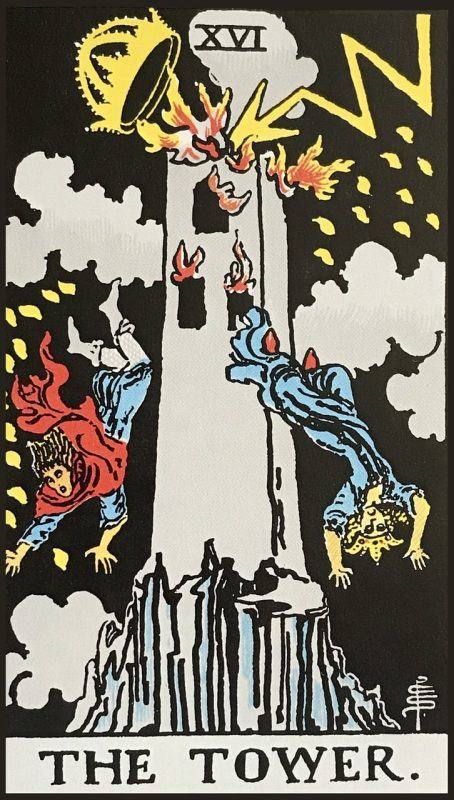
There are no truly “bad” cards in Tarot—only messages that ask for reflection, growth, or change. Cards like The Tower may feel intense, but they often represent necessary breakthroughs or releasing what no longer serves you.
6. Should I memorize all the card meanings?
You don’t need to memorize them. It’s more important to understand the essence of each card and how it feels in a reading. Use tools like the 6th Sense Connection app, which offers uplifting modern interpretations you can return to anytime.
7. How often should I do Tarot readings?
As often as feels right for you. When staring out with Tarot. A daily one-card draw can help you build your practice. For deeper readings, once or twice a week is a good rhythm to avoid over-relying on the cards.
8. Can I ask Tarot about anything?
You can ask Tarot about almost anything—love, career, personal growth, and more. However, it’s best to avoid asking questions about health, legal issues, or death, as trained professionals in those fields are best at handling these. When you start with Tarot, focus on empowering questions like “What do I need to know about…?” or “What energy surrounds this situation?”
9. What if my reading doesn’t make sense?
Sometimes clarity comes later. Not every reading will make immediate sense. Keep a Tarot journal and write down your cards and impressions—you may be surprised how patterns and messages become clearer with time and reflection.
10. Is it okay to use an app instead of physical cards?
Yes, especially when you’re starting out. Apps like the 6th Sense Connection tarot card app are designed to make Tarot for beginners approachable, offering intuitive layouts and easy-to-understand meanings. Whether digital or physical, what matters most is your connection to the cards.
Tarot For Beginners
Tarot cards can be a profound and transformative tool for beginners and experienced individuals. By learning the meanings of each card and trusting your intuition, you can unlock a world of insight and guidance. Embrace the journey of tarot and allow it to enhance your spiritual practice and self-discovery.
